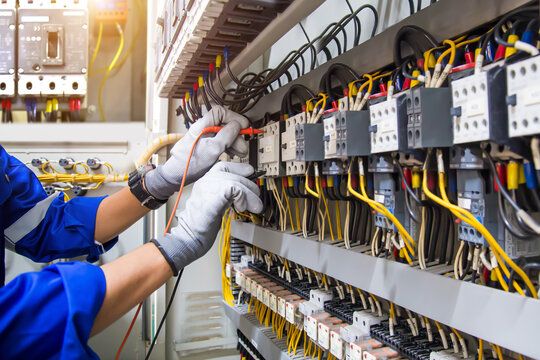
Commercial power refers to the electrical energy supplied to commercial facilities such as office buildings, retail centers, hotels, hospitals, and other non-residential spaces to support their operational needs. It typically involves three-phase power systems, providing stable and efficient electricity to handle lighting, HVAC systems, elevators, office equipment, and other essential loads.
Commercial power systems are designed for higher demand and greater load diversity compared to residential systems. They include key components such as main distribution boards, subpanels, backup power sources (generators and UPS), energy metering, and protective devices. These systems are engineered to meet safety codes and standards (e.g., NEC, IEC) and are often integrated with building automation systems for optimized energy usage.
Modern commercial power design emphasizes energy efficiency, reliability, and sustainability. This includes incorporating smart metering, demand-side management, power quality monitoring, and sometimes on-site renewable energy sources such as solar photovoltaics. Properly designed commercial power infrastructure ensures uninterrupted business operations, supports high-performance equipment, and allows for future scalability.